The need for hot water in Australian homes has changed a lot over the last decade. Showers are longer. Appliances […]
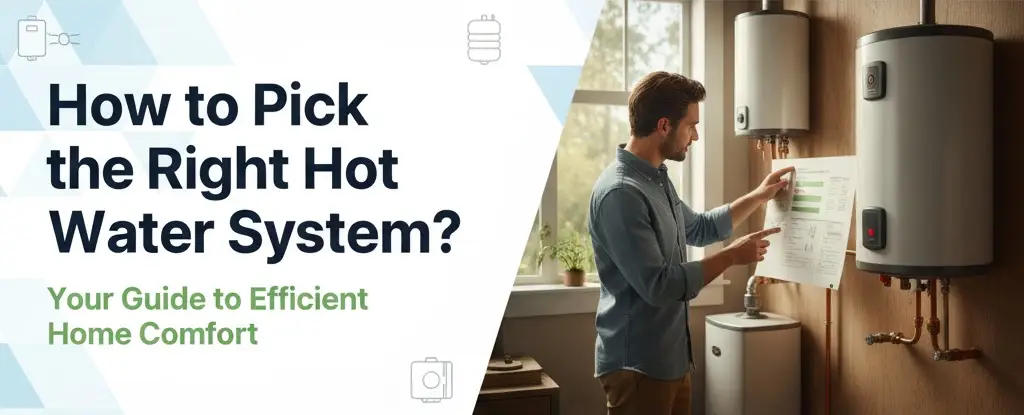
You don’t really think about your hot water system until it stops.
Then suddenly everyone’s talking about it. The shower goes cold, the dishes pile up, and someone’s outside tapping the tank like that’ll magically fix it.
In most homes across Australia, heating water quietly chews through a big chunk of the power bill. About a quarter, sometimes more, according to the Australian Department of Energy.
And if your system’s old or just not right for how your household uses water, you’ll feel it, both in the bills and in the morning when the water turns icy halfway through.
The truth is, no one system suits everyone. What works fine in Queensland might be hopeless in a cold bit of Victoria. Even how far your bathroom is from the tank can make a difference.
So, how do you get the right hot water heater for your home?
The answer is in our guide.
This isn’t one of those complicated guides. It’s just a simple run-through of what matters so you can pick a system that actually fits how you live.
The first thing to think about is who’s living under your roof and how they use hot water.
A single person who showers in the morning and runs one load of washing a week won’t need the same setup as a family with kids who all shower one after the other.
For smaller households, a tank around 125 to 160 litres usually does the job. For a family of four or five, look closer to 250 or even 315 litres.
And if you’ve got teenagers, go bigger. You’ll thank yourself later when no one ends up standing there with shampoo in their hair waiting for hot water to come back.
If you’re thinking about a continuous flow or instant system, you don’t need to worry about tank size at all.
What matters is the flow rate.
The higher the rate, the more taps you can run at once without losing pressure. That’s the real test of comfort.
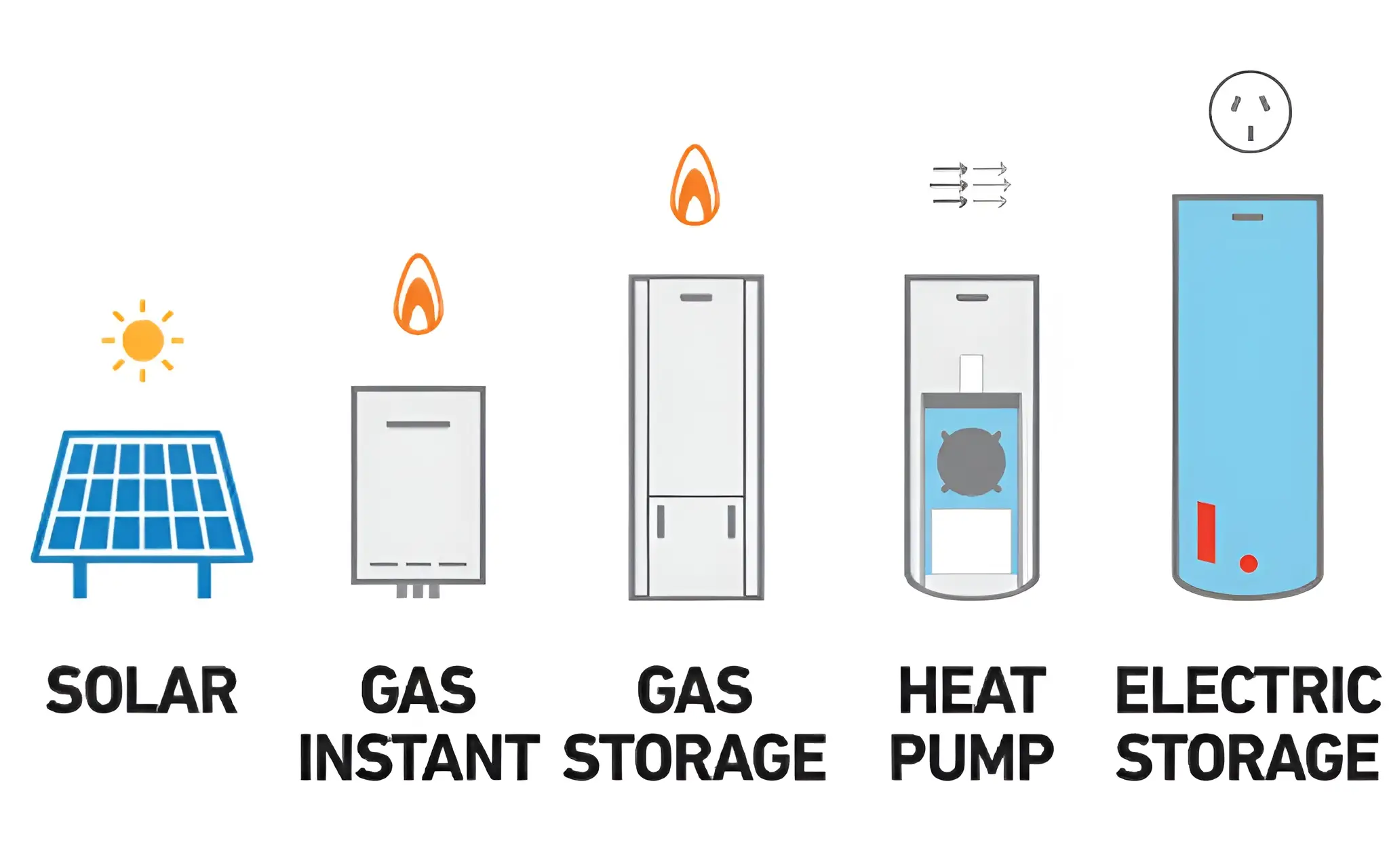
Next up is what powers the system. In Australia, you’re looking at electricity, gas, solar, or a heat pump. Each one has its good and bad points.
Electric heaters are the most common.
They’re cheap to install, simple, and easy to replace. The downside is they’re not cheap to run.
Power prices have been climbing for years, and if your heater runs during the day instead of off-peak, you’ll see it on your bill.
Gas is usually better if your home already has a connection. It heats water fast and works well even when the weather turns cold.
Continuous gas systems are popular because they only heat what you use. That means less waste and lower bills.
Then there’s solar, which everyone likes the idea of. It’s clean, it’s quiet, and the energy’s free once it’s set up. The catch is the cost upfront.
Panels, storage tanks, installation — it all adds up. But government rebates can take some of the sting out, and once it’s in, it pays you back every sunny day.
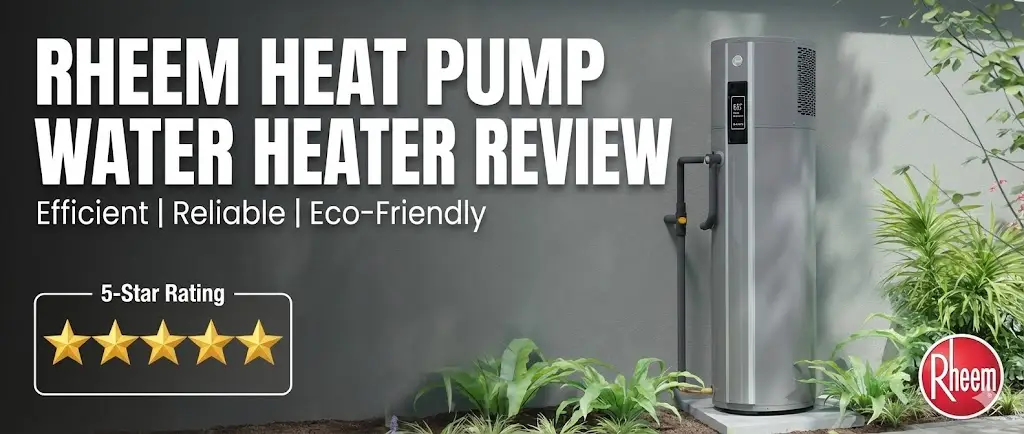
Heat pumps are another smart option. They pull warmth from the air to heat the water, a bit like a fridge in reverse.
They cost more to buy but can cut your power use by two-thirds. If you live somewhere warm like Queensland or northern NSW, they’re excellent.
The climate where you live makes a huge difference.
In places like Brisbane or Perth, a heat pump or solar system runs beautifully because it’s generally warm and sunny.
But if you live in Hobart, Canberra, or anywhere that gets chilly winters, solar might struggle in the colder months. In those areas, gas or a hybrid setup usually performs better.
If your home’s near the coast, think about corrosion too. Salt air can be rough on metal.
Look for systems made from stainless steel or with solid anti-rust protection. It’s one of those small details that saves you money later.
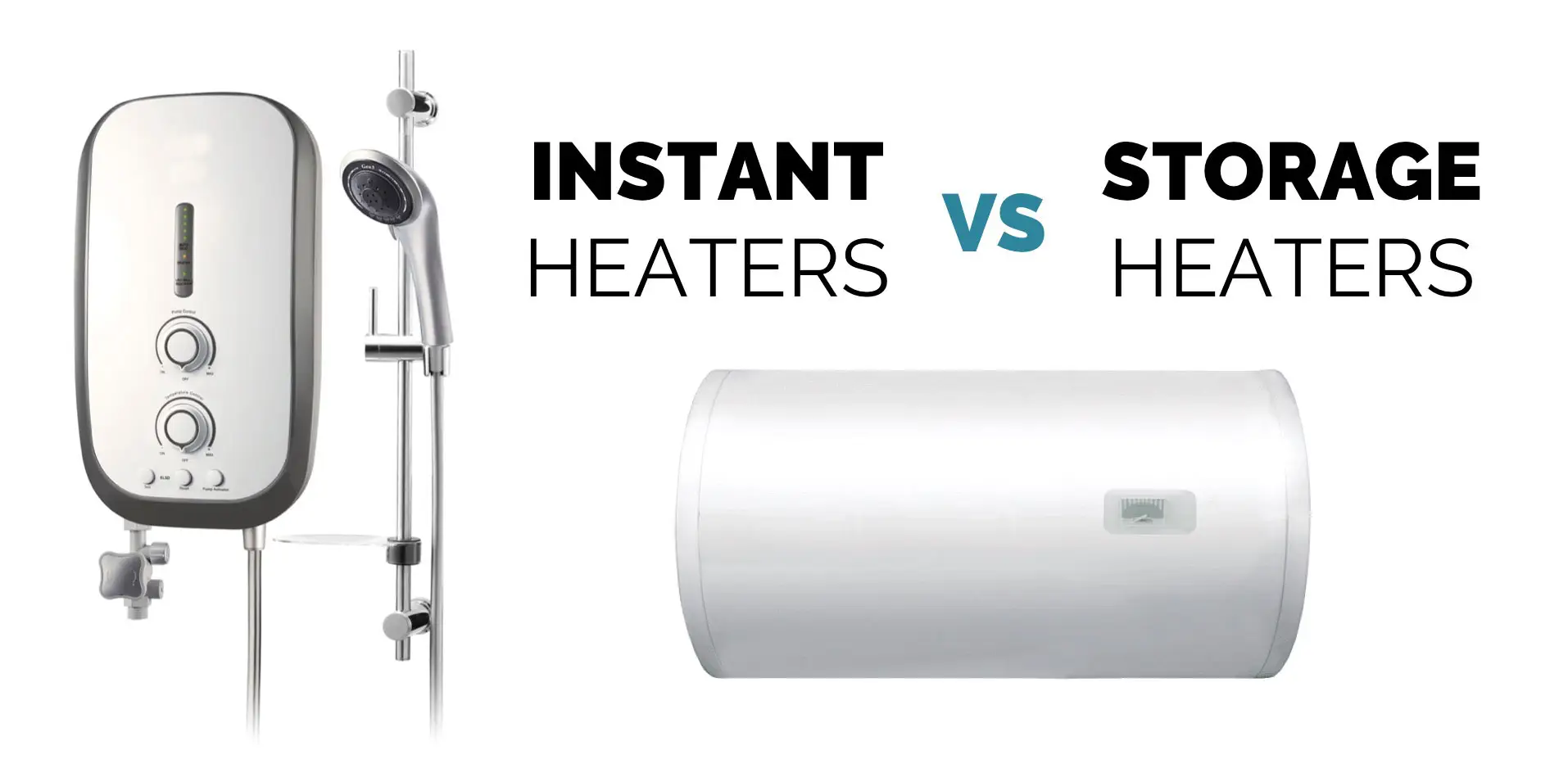
This one trips a lot of people up. Storage systems keep a tank of water hot all day. Instant systems heat the water only when you need it.
Storage is simple and reliable. It suits households that use water in steady patterns.
The downside is that it keeps heating water even when you’re not using much, which wastes energy.
Instant systems, on the other hand, give you hot water whenever you want without running out.
They’re compact and perfect if space is tight. You just need to make sure your home’s gas or power setup can handle it.
Some of us don’t think about this until the installer shows up.
Where the system sits actually matters. If the tank or unit is too far from your kitchen or bathroom, you’ll lose heat through the pipes and wait longer for hot water to arrive.
Ideally, place it near where you use hot water the most.
Outdoor systems need to be protected from harsh weather, while indoor ones need proper ventilation if they run on gas.
A licensed plumber will help you determine the safest and most efficient location.
The price tag on the box isn’t the full story. What really matters is what it costs to run every month. Electric systems usually cost the most in the long run.
Gas sits somewhere in the middle. Solar and heat pumps can save you hundreds each year once they’re running efficiently.
If you’re planning to stay in your home a while, it’s worth spending a bit more upfront for a system that uses less energy. It’s the same idea as buying a car.
The cheaper one might look good at first, but you’ll end up paying more for fuel later.
We all forget about maintenance until something breaks. But a bit of care each year keeps a system running smoothly and saves you from nasty surprises.
Electric and gas tanks usually last around ten years with proper servicing.
Solar and heat pumps can last fifteen or more years if you replace the small parts like valves and anodes when needed.
It’s worth having a plumber do a quick check once or twice a year. They’ll look for leaks, test the pressure valve, and make sure everything’s safe.
A simple inspection can add years to the system’s life.
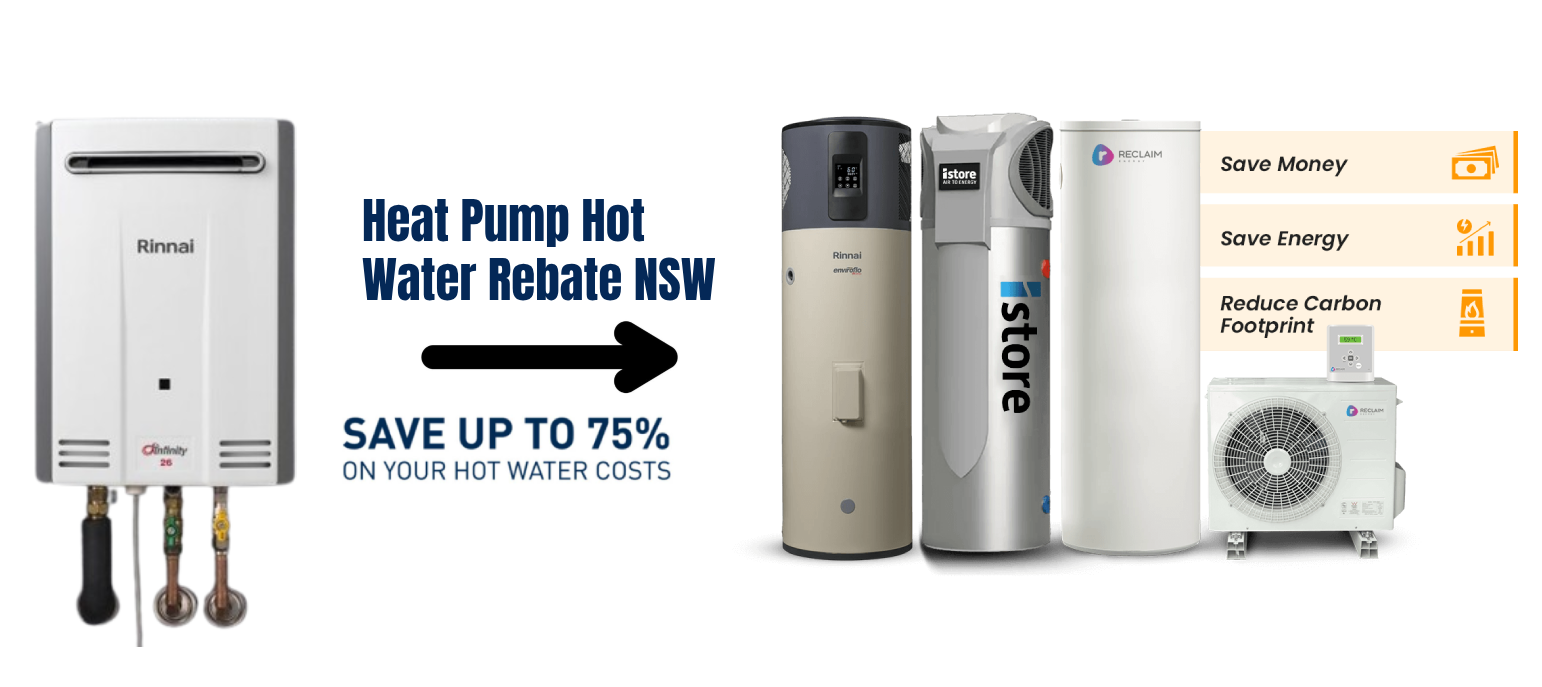
There’s some good news here.
Choosing an efficient system can actually earn you money back. Many states and territories offer rebates for solar and heat pump systems.
Also, don’t skip the energy rating label.
More stars usually mean lower running costs. Even one extra star can save a decent amount of money each year without you having to change a thing.
The most common mistake is buying purely on price. The cheapest option might look fine at the store, but if it’s the wrong size or energy type, you’ll regret it later.
Another is replacing your old system with the same model without checking what’s changed. Technology moves fast.
A modern heat pump or solar hybrid can easily cut your bills in half compared to something built ten years ago.
And don’t try to install it yourself.
It might seem simple, but a bad installation can lead to leaks, poor performance, or even safety risks. Always get a qualified plumber to handle it.
Choosing the right hot water heater doesn’t sound like a big deal until you get it wrong. But the right system will quietly make your life easier and cheaper every day.
Take the time to look at your home, your climate, and your household habits before you decide. Ask a licensed plumber for advice if you’re unsure.
In the end, the best system is the one that gives you steady hot water, keeps your bills under control, and lasts for years without a fuss.
The need for hot water in Australian homes has changed a lot over the last decade. Showers are longer. Appliances […]
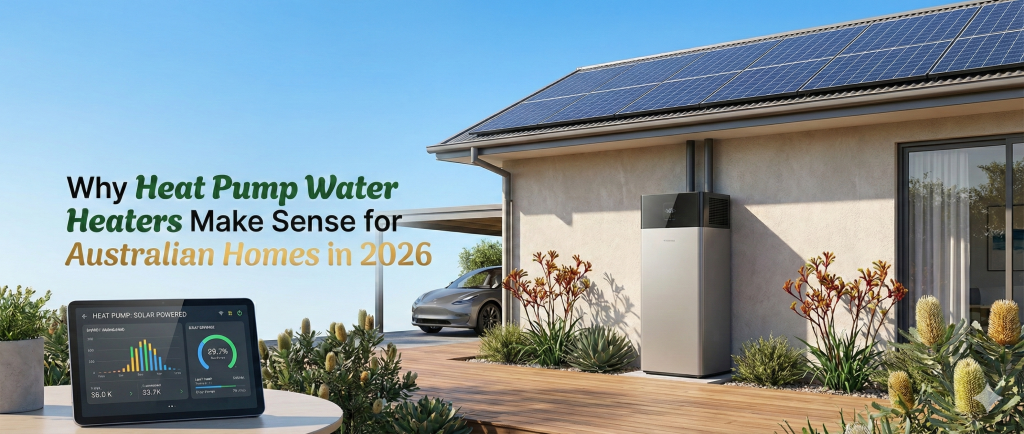
Hot water systems rarely get attention until they fail or the power bill arrives. Yet in many Australian homes, water […]
Power bills linked to heating water have long been a silent killer of household budgets, consistently ranking as the second-largest […]