About 80% of men and 90% of women in Australia use hot showers daily. To most of us, a hot […]
Australians’ energy costs are rising rapidly, which is why the number of water heater systems installed in Australia increased by 70% last year.
People want systems that don’t just heat water. They want something efficient, reliable and cheap to run in the long term.
So when it finally comes time to replace that old unit, the decision to choose tank or tankless feels massive.
If you’re in Australia, this breakdown is for you.
You’ll learn the differences between tank and tankless water heaters and the factors to consider when choosing the best.
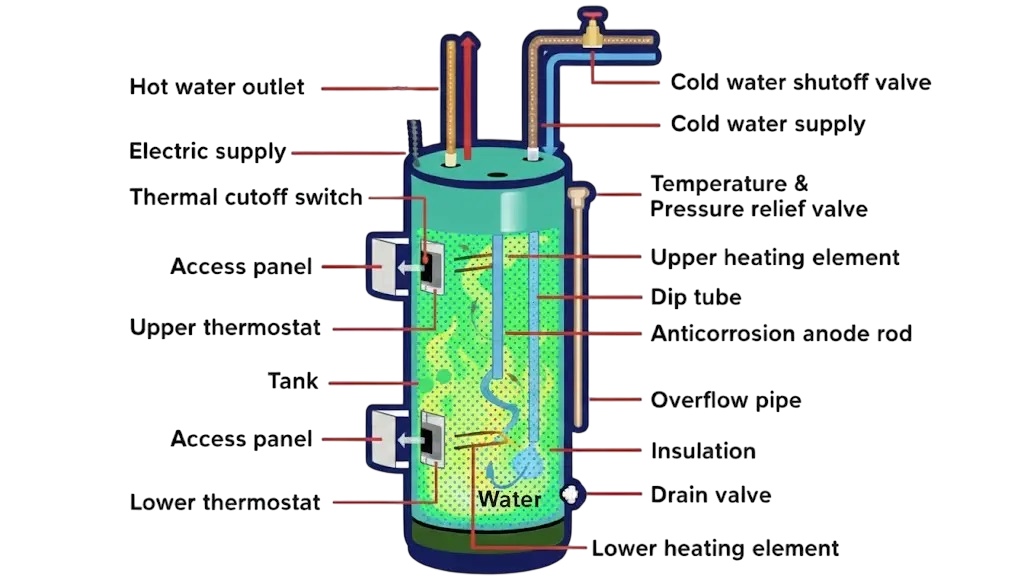
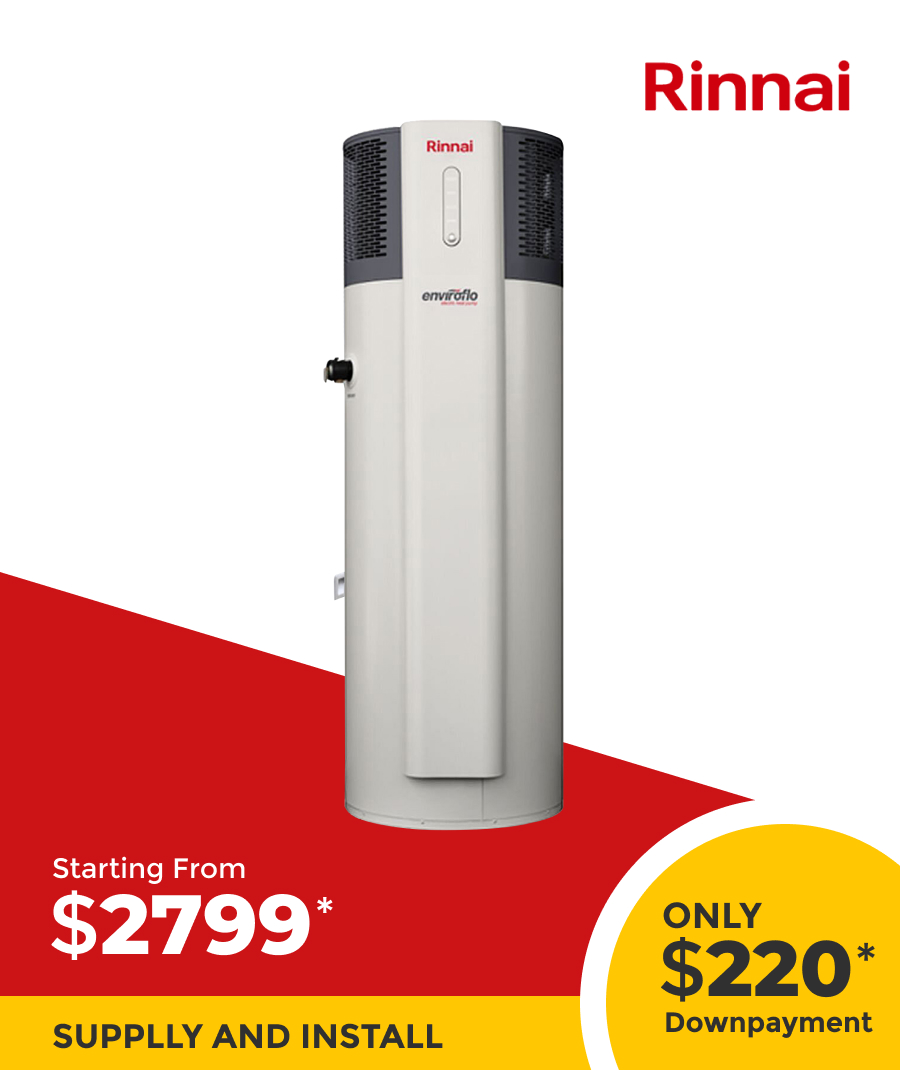
A tank water heater is a common appliance that heats and stores a large amount of hot water in an insulated cylinder.
The tank is usually 125-400 litres, depending on household size.
The cold water flows in, is heated using gas or electricity, and then sits in the tank waiting for use.
Once the stored hot water is used up, it takes time to refill and reheat, which is why you may run out during back-to-back showers.
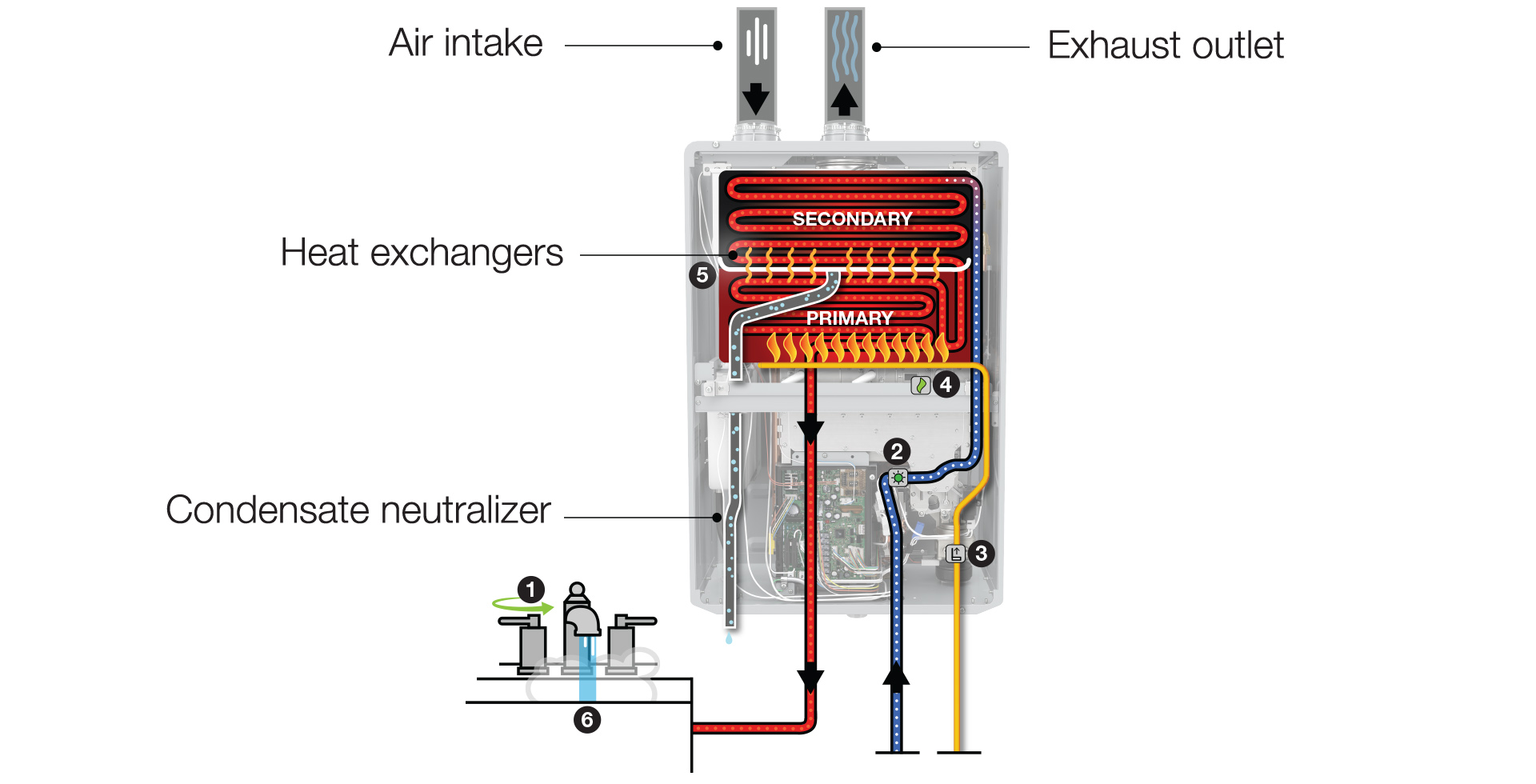
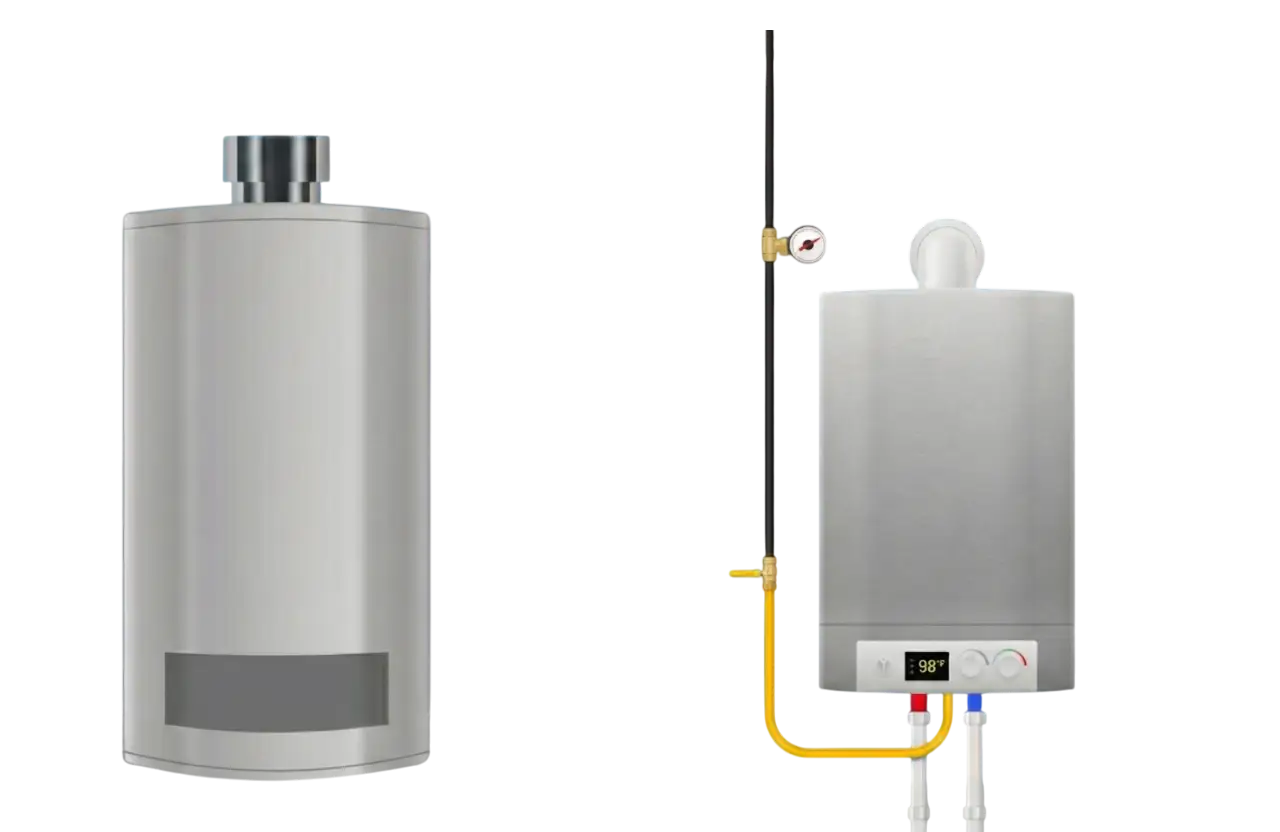
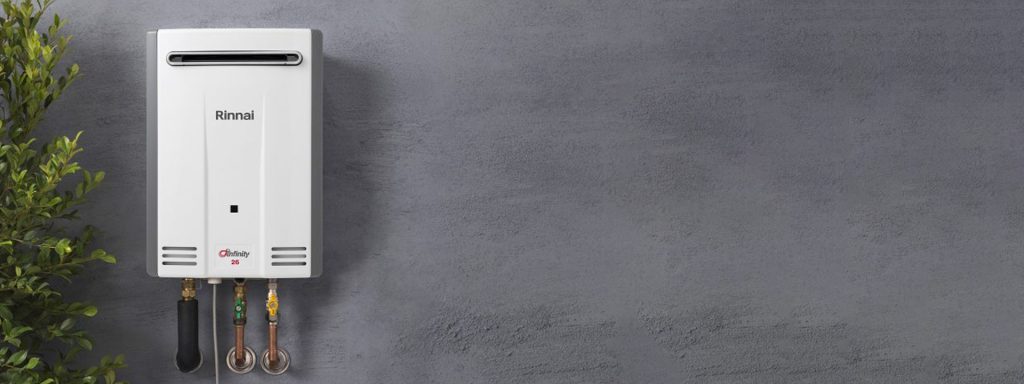
A tankless (instant) water heater heats water only when you need it.
No storage and no standby heating. When you turn on the tap, cold water passes through a heat exchanger powered by gas or electricity and is instantly warmed.
This means continuous hot water as long as the unit can keep up with demand.
| Feature | Tank Water Heater | Tankless Water Heater |
| Upfront cost | Low | High |
| Running cost | Higher over time | Lower long-term |
| Hot water supply | Limited (can run out) | Continuous on demand |
| Space required | Large | Small and wall-mounted |
| Lifespan | 6-10 years | 10-20 years |
| Installation complexity | Simple | More technical |
| Maintenance | Basic | Needs descaling in hard-water areas |
| Energy efficiency | Lower | Much higher |
| Suitable where | Homes with space | Small home and apartments |
The Tank wins the day-one budget battle.
It’s the easiest buy and simplest install.
The Tankless unit, despite costing significantly more upfront (sometimes 2–3 times more installed), is the clear winner for long-term TCO (Total Cost of Ownership) due to those huge energy savings over its much longer lifespan.
What you save on installation, you lose on the power bill for the next decade with a tank.
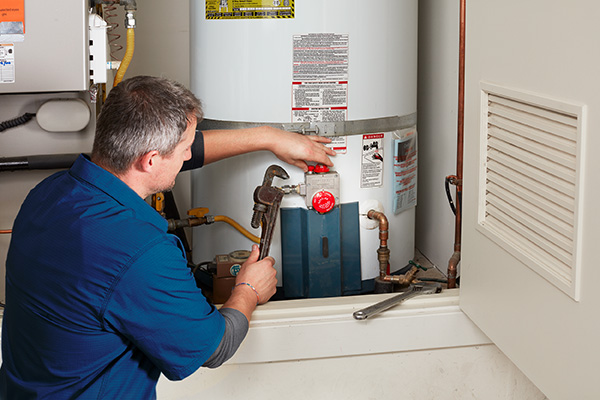
A storage Tank is a relatively simple plumbing job.
It starts with finding a space to put your tank. It can be a laundry room or any separate room where a dryer and a washer are also located.
You require AUD500 to AUD1,000 to install a tank water heater.
Meanwhile, the Tankless unit, especially if transitioning from another fuel source or requiring a high-capacity gas line, demands complex and costly infrastructure upgrades.
Installation can be AUD1,500 or more for complex systems. You may also pay more depending on the size of your home.
This is the Tankless unit’s most powerful advantage.
Zero standby loss means zero energy waste.
A Tank is, by its very nature, a continuous energy burner.
It leads to dramatically higher running costs up to AUD800 more per year in some extreme comparisons between old electric tanks and modern gas instant systems.
When it comes to performance, tankless systems tend to offer more consistency and quicker distribution of hot water where you need it.
A tank water heater offers hot water as it is currently in the tank.
This means after using all the stored water, you must wait to get another water heated. This waiting leads to cold showers or inefficient cleaning, especially when you have many people using it within a short time.
The Tankless unit is the marathon runner.
It gives you hot water forever, but only for a fixed, maximum flow rate. Push that rate too hard by opening too many taps at once, and the temperature will struggle.
Tankless is the undisputed winner, freeing up valuable floor space. The Tank is a massive, bulky appliance that can dominate a small utility area, laundry, or backyard.
The Tankless unit lasts longer, about 20 to 30 years, with proper maintenance.
The Tank only lasts a decade, and the gas ones may start to fail as soon as 6 years after installation.
If you see rusty valves, visible leaks or failure of the heating elements, then your tank needs to be replaced.
The Tank is simpler to maintain but susceptible to corrosion and leaks over time.
The Tankless requires specific and proactive maintenance (like descaling to clear mineral build-up, especially in hard-water areas of Australia), but if you do this, it’s highly reliable over its extended life.
Both are generally safe, but modern Tankless units offer incredibly precise temperature control, eliminating temperature spikes.
Tank systems sometimes still rely on off-peak timers, and this makes usage less flexible.
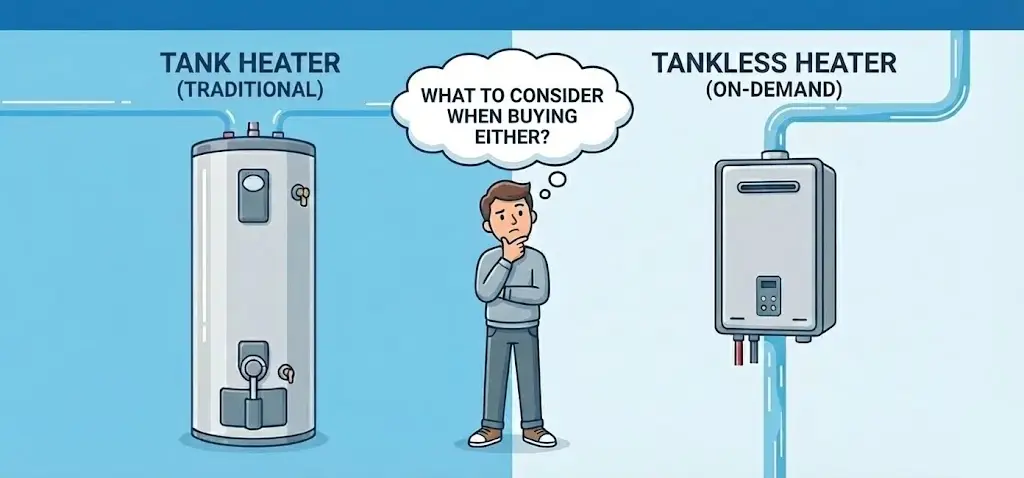
The ‘best’ choice depends entirely on your house, your family and your budget timeline.
🟥 Household Size & Hot Water Demand:
This is the absolute biggest factor. Are you a couple with staggered showers? Go Tankless for the efficiency.
Are you a family of four or five who need hot water simultaneously every morning? Y
You might need a large Tank or two high-capacity Tankless units, which severely impacts that upfront cost advantage.
🟥 Upfront vs Long-Term Cost:
How long are you staying?
If you’re selling in three years, stick with the cheaper Tank replacement.
If this is your long-term home, the lower running costs of the Tankless unit will eventually pay for the expensive installation and then save you thousands over two decades.
🟥 Space Constraints:
If you have a space in your home, then you need a tank water heater. Meanwhile, if your space is limited, you need that compact and wall-mounted tankless unit.
🟥 Energy Source, Climate & Water Quality:
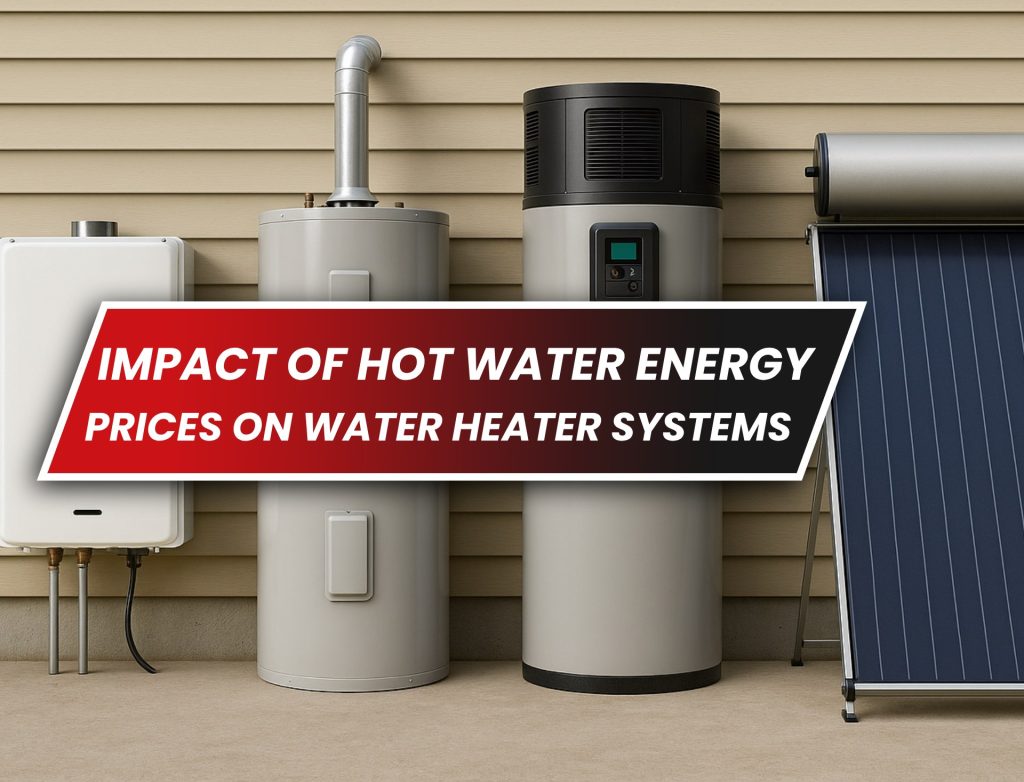
🟥 Hybrid Systems (Heat Pumps)
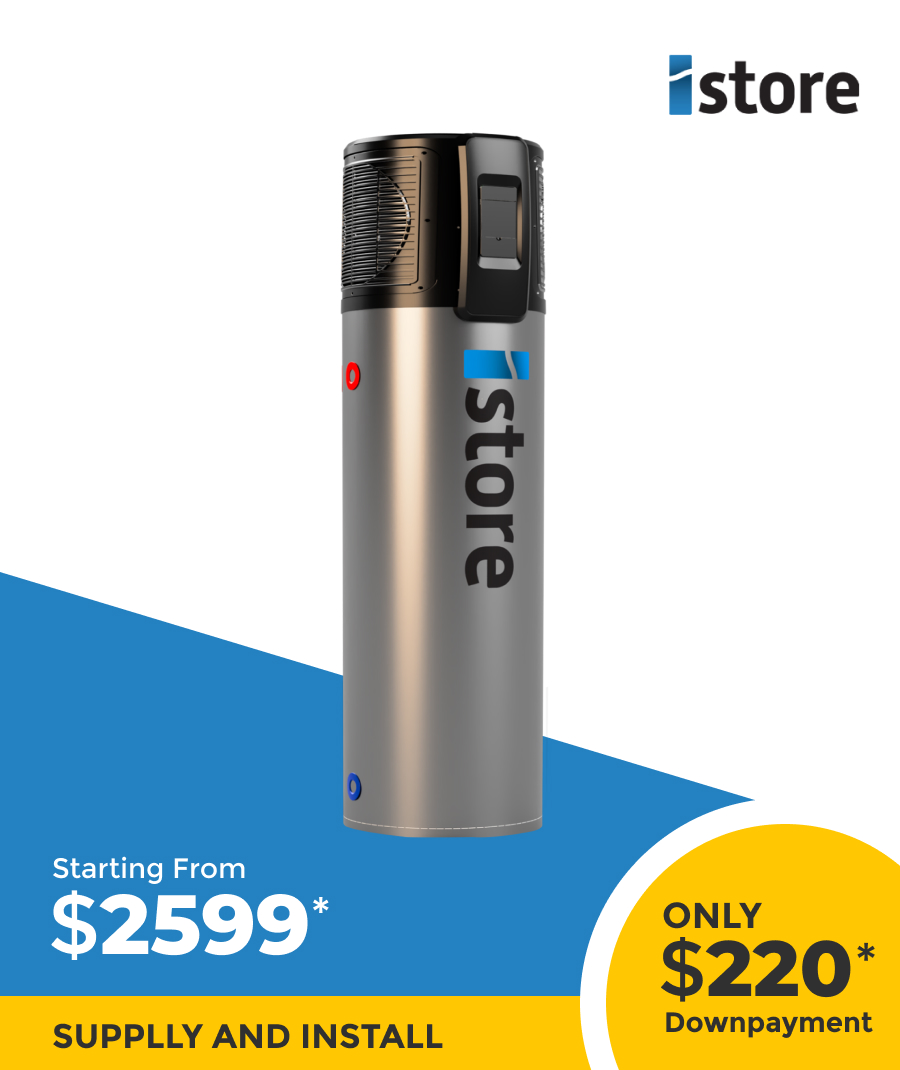
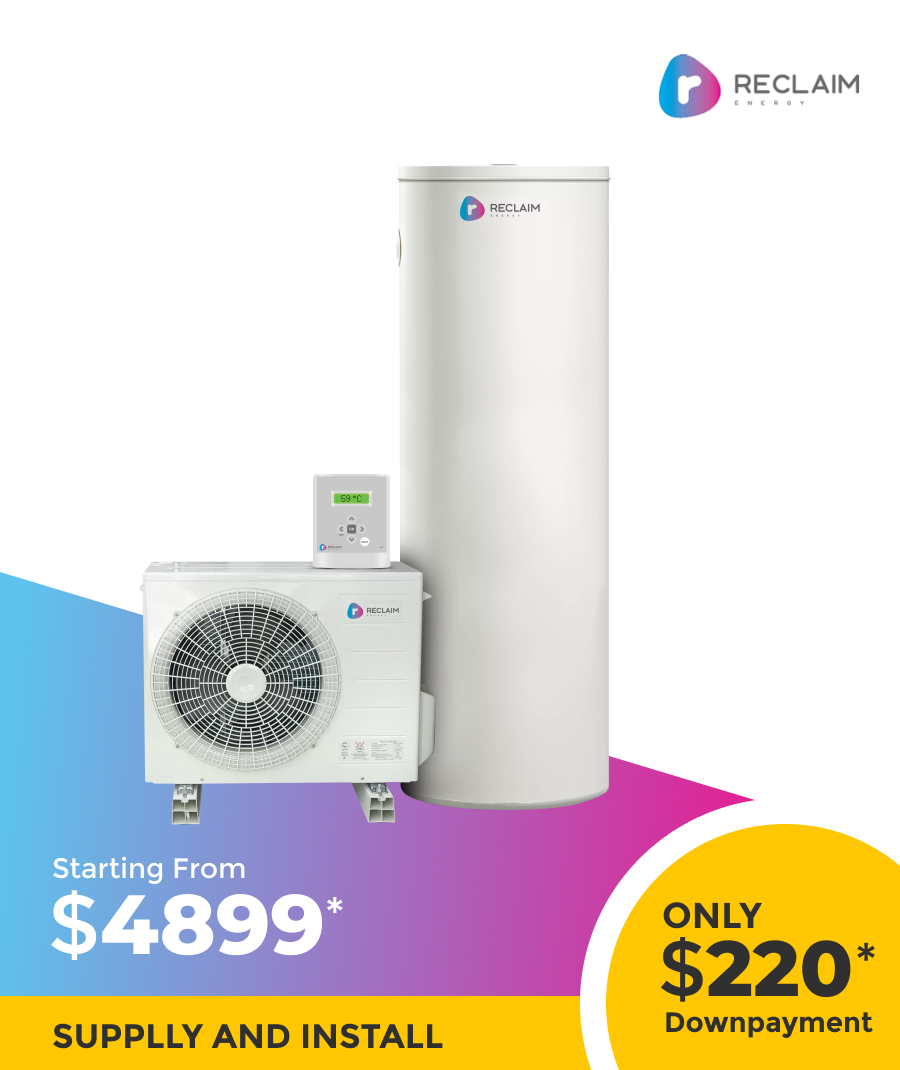
Heat pumps have oddly fascinating technology— they look like a normal hot water tank, but inside, they operate more like a fridge working backwards.
Instead of chilling things, they grab warmth from the air and use just a little electricity to heat your water.
That’s pretty clever.
The best part?
They’re extremely cheap to run over time, and governments love them.
State rebates and STCs lean heavily toward heat pump installations, so buyers in Victoria, NSW and many other areas can enjoy hundreds or even thousands off the price right at installation.
For some households, that discount alone is what makes upgrading even possible.
🟥 Environmental Impact
Your hot water system quietly eats up energy every single day.
Older storage systems are the worst offenders — they keep reheating water even when no one’s showering, washing, or doing anything at all.
It’s like leaving the stove on all day “just in case.” That waste turns into bigger bills and unnecessary emissions. Moving to a tankless gas unit removes most of that standby loss.
It heats water only when you actually need it, which means less energy is burned.
🟥 Local Context
Before you pull your wallet out, check what rebates are available nearby.
Seriously — it’s one of those things people forget, but it can save a lot. Installers who are accredited under programs such as the Victorian Energy Upgrades (VEU) or the NSW Energy Savings Scheme (ESS) can often apply discounts on the spot for efficient systems, especially heat pumps.
Sometimes the price drops right in front of you, and suddenly the “too expensive” option becomes the smarter buy.
The final choice boils down to what you prioritise right now.
You should stick with a traditional tank if your budget is the only overwhelming constraint.
This is because the initial purchase and swap-out is cheaper.
It’s also the smart move for those big Aussie families who need hot water slammed into the house simultaneously; the tank handles those sudden and high-volume problems without the temperature dipping.
Alternatively, go Tankless if you’re planning to stay put and value efficiency over everything else.
That higher installation cost pays you back over 15 to 20 years through lower energy bills and fewer replacement costs.
If you live in an apartment or a small home where space is gold, the compact and wall-mounted tankless unit is the only sensible option.
About 80% of men and 90% of women in Australia use hot showers daily. To most of us, a hot […]
Australians can feel that everything is getting more expensive. The cost of living has increased to extreme levels, and many […]
Looking for a way to heat water without the inconvenience and waste of a storage tank? Try electric instant water […]