The need for hot water in Australian homes has changed a lot over the last decade. Showers are longer. Appliances […]
Hot water systems rarely get attention until they fail or the power bill arrives.
Yet in many Australian homes, water heating remains one of the most significant single energy costs, quietly consuming electricity or gas every day of the year.
In 2025, that matters more than it used to.
Energy prices remain elevated. Solar uptake is widespread.
Gas is becoming less attractive. And households are under growing pressure to reduce ongoing running costs without sacrificing comfort.
Against that backdrop, heat pump water heaters stand out as a practical, proven upgrade — not a niche option or future concept, but a system that aligns with how Australian homes are already changing.
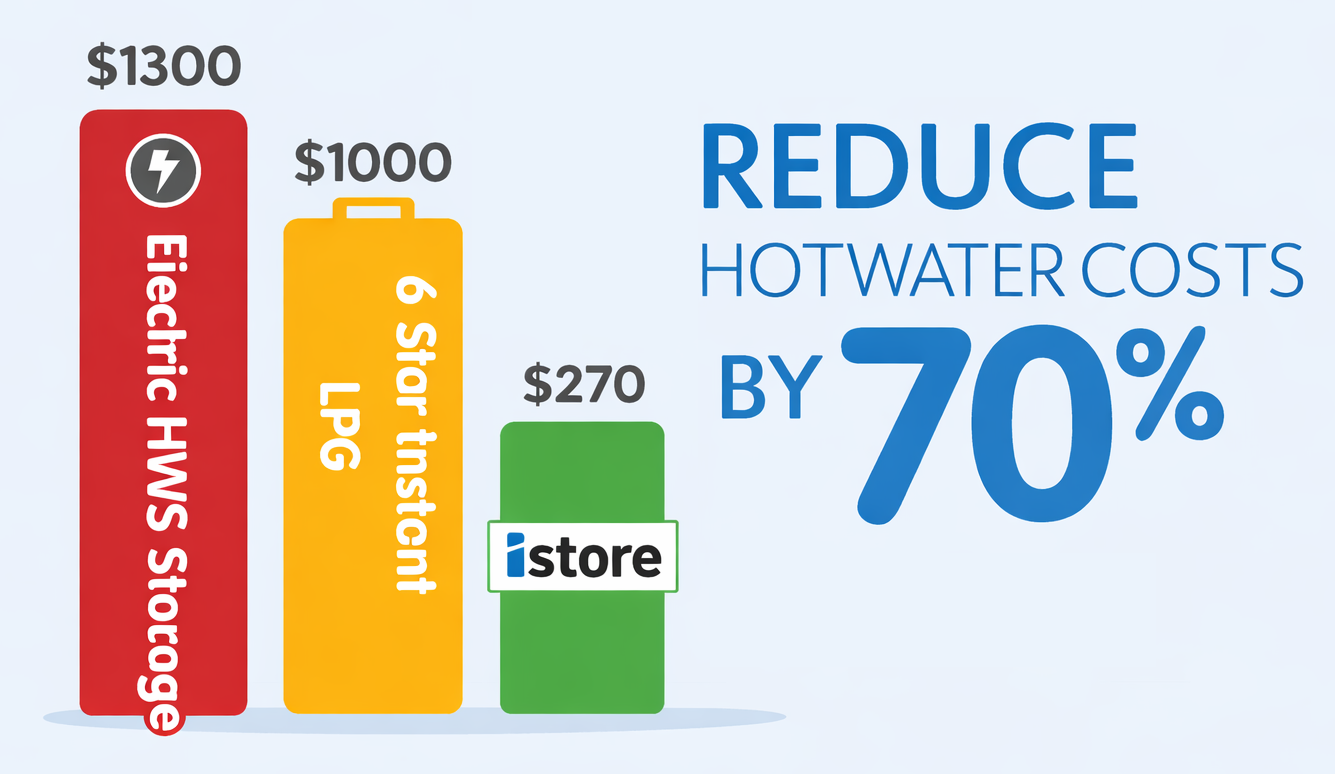
Heat pump water heaters use significantly less electricity than conventional electric storage systems.
Instead of heating water directly, they transfer heat from the surrounding air into the water tank.
This approach requires significantly less electrical input, resulting in a substantial reduction in energy consumption for hot water.
For households where water heating accounts for a large share of total energy use, this difference alone can reshape annual power bills.
The saving is structural.
It doesn’t rely on habits, timers, or behavioural change.
The system is simply more efficient by design.
Heat pump performance depends on access to ambient warmth. In Australia, that requirement is rarely a limitation.
Across most regions, including the southern states, average air temperatures remain well within the operating range required for efficient heat transfer throughout the year. In warmer and coastal areas, conditions are even more favourable.
This makes heat pump systems a natural fit for Australian housing, rather than a technology that has to work against the local climate.
Electricity costs have become a long-term concern for households, not a short-term spike.
While tariffs fluctuate, the broader trend has made high-consumption appliances more expensive to run year after year.
Reducing demand, rather than attempting to predict future prices, offers a more reliable path to cost control.
Because heat pump water heaters draw much less power, households are less exposed to price increases over time.
The benefit compounds annually, rather than offering a one-off saving.
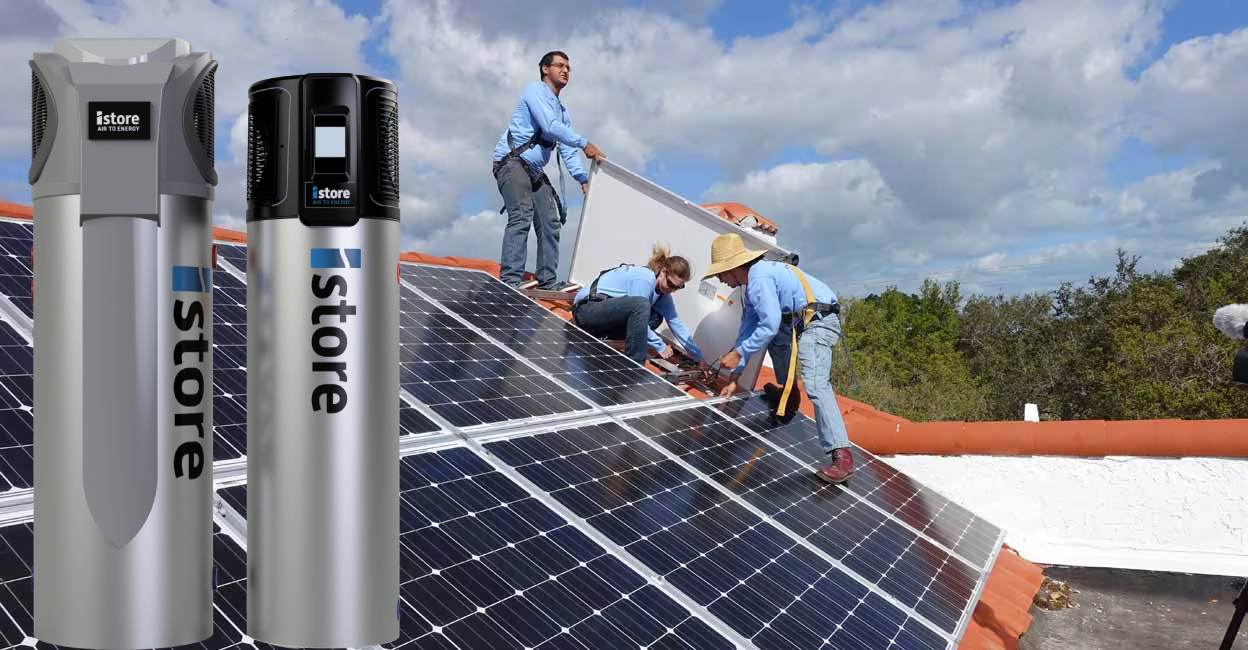
Australia now has one of the highest rates of residential solar adoption in the world. Heat pump water heaters integrate well with this reality.
Many systems can be programmed to operate during daylight hours, using electricity generated on-site rather than exporting it back to the grid at a low feed-in rate.
In effect, the hot water tank becomes a form of energy storage. Solar power is converted into hot water during the day and used later, reducing evening grid demand.
For solar households, this pairing improves self-consumption and overall system value.
Gas hot water systems have traditionally been seen as reliable and cost-effective. That position is weakening.
Gas prices have risen, supply uncertainty has increased, and new housing developments are increasingly moving away from gas connections altogether. In some areas, electrification is now the default approach.
Heat pump systems offer a way to move fully electric without accepting high running costs. They eliminate reliance on gas while keeping operating expenses low.
The initial purchase price is often the main barrier to adoption. Heat pump systems cost more upfront than basic electric tanks.
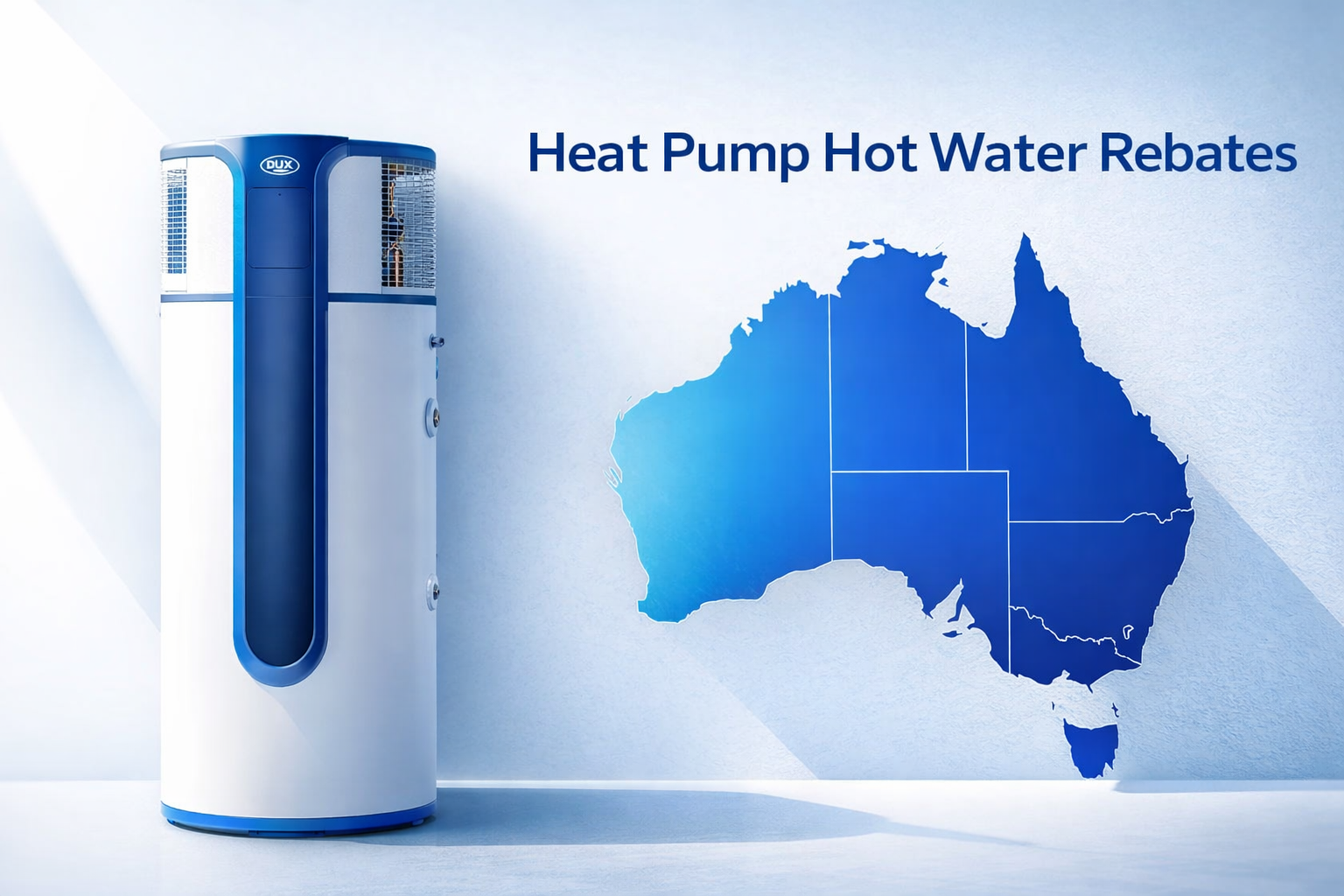
However, federal and state rebate schemes significantly reduce this gap. Depending on location and system type, incentives can lower the installed cost by a meaningful amount.
When rebates are applied and running cost savings are factored in, total ownership cost over the life of the system often compares favourably with traditional options.
Once installed, heat pump water heaters deliver ongoing savings without further intervention.
They use less electricity every day, across all seasons.
Over the lifespan of the system, this translates into substantial cumulative reductions in energy expenditure.
Unlike short-term efficiency measures, this benefit does not fade over time. The system continues to perform in the same way year after year.
Earlier generations of heat pump water heaters faced criticism for noise, slow recovery times, and inconsistent performance in cooler conditions.
Current models have resolved many of these issues. Improvements in fan design, insulation, controls, and refrigerants have led to quieter operation and more stable output.
When correctly specified and installed, modern systems provide reliable hot water comparable to conventional storage units.
Heat pump water heaters are not limited to a narrow household profile.
They are well-suited to:
System sizing and placement are critical, but when these factors are handled properly, suitability is broad.
Maintenance for heat pump systems is generally straightforward.
There is no combustion process, no flue, and no gas infrastructure to inspect. Routine checks typically involve ensuring clear airflow and general system condition.
This simplicity contributes to lower long-term maintenance costs and fewer failure points.
Efficiency gains are only valuable if comfort is maintained.
A properly sized heat pump water heater provides consistent hot water, even during periods of high demand. Issues such as running out of hot water are more commonly linked to undersized systems than to the technology itself.
When matched correctly to household usage, performance meets everyday expectations without compromise.
Energy efficiency expectations for homes are increasing. Buyers, tenants, and regulators are paying closer attention to operating costs and emissions.
All-electric, low-consumption systems are becoming the preferred baseline rather than an upgrade.
Heat pump water heaters fit squarely within this direction, offering longevity in a changing regulatory and market environment.
In 2025, heat pump water heaters will no longer be an early-adopter choice in Australia.
They offer:
For households replacing an existing system or planning a new installation, they represent a rational, future-ready option rather than a speculative one.
They do not change how hot water feels. They shift the cost of production. And for many Australian homes, that difference now matters.
The need for hot water in Australian homes has changed a lot over the last decade. Showers are longer. Appliances […]
You don’t really think about your hot water system until it stops. Then suddenly everyone’s talking about it. The shower […]
Power bills linked to heating water have long been a silent killer of household budgets, consistently ranking as the second-largest […]